
Nepal’s Rural Tourism Revolution: How Villages Can Become the Future of Travel

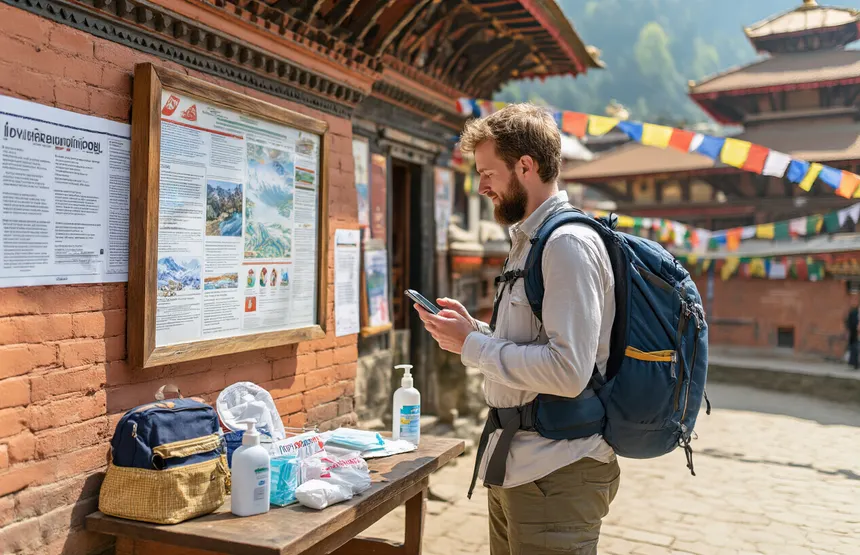
A deep look into how Nepal’s hidden villages, if developed correctly, could become the strongest driver of sustainable tourism, local income, and cultural preservation.
Nepal is often introduced to the world through its mountains. Everest dominates headlines, Pokhara fills postcards, and Kathmandu carries the weight of history. But beyond these well-known destinations lies a much larger, quieter reality — thousands of rural villages that hold the true cultural and economic future of Nepal.
These villages are not just scenic backdrops. They are living ecosystems of tradition, agriculture, language, craft, and hospitality. And yet, most of them remain outside the mainstream tourism map.
This blog explores a different direction for Nepal’s tourism future: shifting focus from overloaded hotspots to rural transformation powered by community-based tourism.
The Hidden Majority: Nepal Beyond the Tourist Map
More than two-thirds of Nepal’s population lives in rural areas. These regions stretch across the hills of Gandaki, the mid-western mountains, and the flat Terai plains. Each village carries its own identity — dialects, food systems, festivals, architecture, and farming traditions.
And yet, tourism in Nepal remains heavily concentrated. A small number of destinations like Everest, Annapurna, and Pokhara absorb the majority of visitors, leaving rural areas economically disconnected from the tourism industry.
This imbalance creates two problems:
- Overcrowding in popular trekking routes
- Underdevelopment in villages with high tourism potential
The opportunity is clear: redistribute tourism in a way that directly benefits rural communities.
Why Rural Tourism Matters More Than Ever
Global travel trends are changing. Modern travellers are no longer satisfied with just sightseeing. They want experiences that feel real, slow, and connected to local life.
This is exactly what rural Nepal can offer.
A visitor staying in a hill village can experience:
- Farming life and seasonal agriculture
- Traditional cooking methods
- Local festivals and rituals
- Handmade crafts and storytelling culture
- Untouched natural landscapes
Unlike commercial tourism zones, rural areas provide authenticity that cannot be manufactured.
If developed correctly, rural tourism is not just an economic tool — it is a cultural preservation strategy.
The Economic Opportunity Hidden in Villages
Right now, a large portion of tourism revenue in Nepal leaks through urban-centered systems — airlines, big hotels, imported goods, and external tour operators.
Rural tourism changes this structure completely.
When a traveler stays in a village homestay:
- Money goes directly to families
- Local food production increases demand
- Youth find employment at home
- Traditional skills gain financial value
Even small-scale tourism in a village can significantly raise household income when managed properly.
In many global examples — from Vietnam’s countryside to Peru’s Sacred Valley — rural tourism has transformed entire regions from migration-heavy economies into stable local ecosystems.
Nepal has the same potential, but it remains underdeveloped.
The Core Model: Community-Based Tourism
The strongest model for Nepal is not mass tourism or luxury tourism — it is community-based tourism.
In this model:
- Villagers own and operate homestays
- Local guides lead cultural and nature walks
- Community groups manage tourism income
- Cultural programs are organized by residents, not external companies
This approach ensures tourism does not replace rural life — it strengthens it.
Some regions in Nepal, such as parts of the Annapurna conservation area, have already demonstrated how effective this model can be when properly supported.
But it needs to scale far beyond pilot projects.
The Infrastructure Gap Holding Rural Nepal Back
Despite its potential, rural tourism faces real challenges.
Road access is inconsistent. Many villages become unreachable during monsoon seasons. Internet connectivity is weak in remote regions. Healthcare access is limited. And basic tourist facilities are often missing.
These issues are not cosmetic — they determine whether rural tourism can survive at all.
However, infrastructure does not need to replicate cities. It needs to be:
- Reliable rather than luxurious
- Sustainable rather than overbuilt
- Locally maintainable rather than externally dependent
A simple trekking trail with safe homestays is often more valuable than a large but unsustainable resort.
Cultural Risk: Tourism Without Distortion
One of the biggest risks of rural tourism is cultural distortion.
When tourism enters a village without balance, traditions can slowly shift from lived culture into performance. Festivals become staged shows. Daily life becomes staged authenticity.
This is where careful community control becomes essential.
Villages must decide:
- What to share with visitors
- What to protect privately
- How to balance authenticity with hospitality
If managed correctly, tourism can strengthen culture instead of diluting it.
The Role of Youth in Rural Transformation
A major challenge in rural Nepal is youth migration. Many young people leave villages for cities or foreign employment.
Rural tourism offers a possible reversal of this trend.
Young people can become:
- Trekking guides
- Cultural storytellers
- Homestay operators
- Digital promoters of their own villages
- Local entrepreneurs building micro-tourism services
With internet access and training, rural youth can connect their local identity to global audiences without leaving their homes.
This is perhaps the most powerful long-term benefit of rural tourism.
What Needs to Change at the National Level
For rural tourism to succeed, national policy must shift in three key ways:
First, investment must move beyond traditional tourist hubs. Villages need direct funding for homestays, trails, sanitation, and training programs.
Second, tourism marketing must include rural destinations equally. Not just Everest and Pokhara, but hundreds of unnamed villages with unique identities.
Third, revenue systems must ensure local retention. Tourism income should stay where it is generated, not concentrate in urban systems.
Without these changes, rural tourism will remain fragmented and underdeveloped.
The Future Vision: A Decentralized Tourism Nepal
Imagine a Nepal where tourism is not centered in a few cities, but spread across thousands of villages.
Where every region offers something different:
- Cultural villages in the hills
- Agricultural tourism in the Terai
- Eco-lodges in forest regions
- Mountain homestays in remote valleys
In such a system, tourism becomes not just an industry — but a national development framework.
It reduces migration pressure. It strengthens cultural identity. It distributes income more fairly. And it protects natural resources by avoiding overcrowding.
Conclusion
Nepal’s tourism future does not depend only on Everest, Pokhara, or Kathmandu. It depends on whether the country can unlock the potential of its villages.
Rural tourism is not a backup plan. It is a parallel future — one that is more sustainable, more inclusive, and more deeply connected to Nepal’s identity.
The real strength of Nepal has never been only its mountains. It has always been its people, spread across thousands of villages, each carrying a story worth sharing.
📅 Published: June 17, 2026 | ⏱️ 1 min read