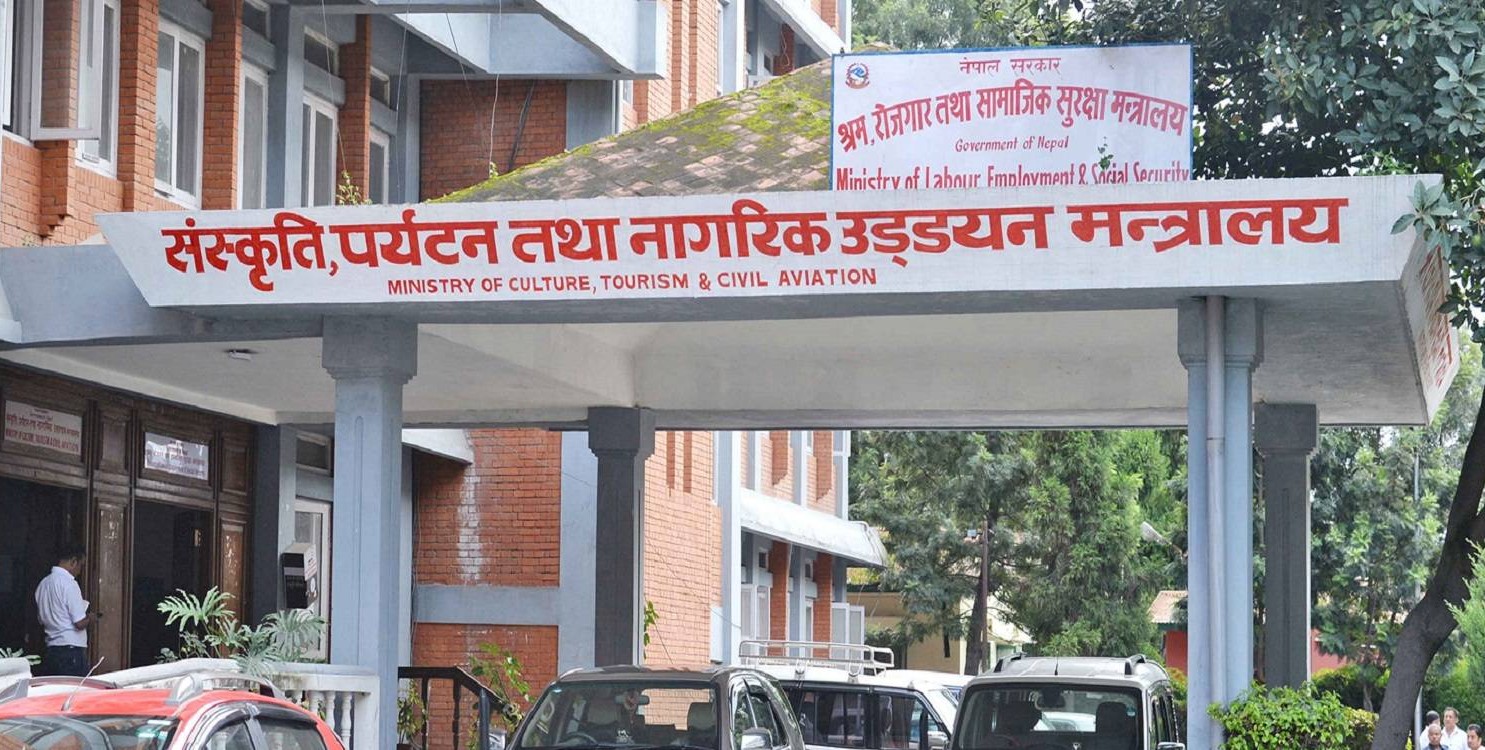
The Government of Nepal has taken a major step toward reforming the country's civil aviation sector by introducing draft legislation to split the Civil Aviation Authority of Nepal (CAAN) into two independent entities. The proposed reform is aimed at strengthening aviation safety oversight and supporting Nepal's efforts to be removed from the European Union (EU) Air Safety List.
The Ministry of Culture, Tourism and Civil Aviation has released two draft bills for public consultation before forwarding them to the Cabinet and Parliament. If approved, the legislation will come into effect three months after its publication in the Nepal Gazette.
Under the proposed restructuring, CAAN will be divided into a dedicated regulatory authority responsible for aviation safety, licensing, and oversight, while a newly established Nepal Air Services Authority (ASAN) will oversee airport construction, operations, and air navigation services. The separation is intended to eliminate potential conflicts of interest by ensuring that aviation safety is supervised independently from airport management.
The reform responds to recommendations made by the International Civil Aviation Organization (ICAO), which has urged Nepal since 2014 to separate regulatory and operational functions within its aviation sector. The absence of this institutional separation has been one of the key reasons Nepali airlines have remained on the EU Air Safety List since 2013, preventing them from operating flights to European Union member states.
According to the draft legislation, all airports, land, infrastructure, and air navigation assets currently managed by CAAN will be transferred to ASAN. Existing permanent employees will automatically join the new service provider unless they choose to remain with the regulatory authority within a specified transition period. The new authority will operate with financial independence, generating revenue through airport charges, passenger service fees, and ground-handling operations.
The proposed bills also introduce additional aviation safety measures, including stricter controls around airports to reduce bird-strike risks. Authorities would be empowered to impose fines on activities such as unmanaged waste disposal and unregulated slaughterhouses operating within designated airport safety zones.
If successfully implemented, the restructuring is expected to improve Nepal's compliance with international aviation standards, strengthen confidence among global aviation partners, and enhance the country's prospects of being removed from the EU blacklist. The reform could also benefit Nepal's tourism industry by improving international connectivity, increasing investor confidence, and reinforcing the country's reputation as a safe travel destination.